Anthracite Built Northeastern Pennsylvania and Still Defines It
From Carbondale to Wilkes-Barre, the hard-coal fields made a region — its cities, its railroads, its unions and its accent. Scranton was its capital.
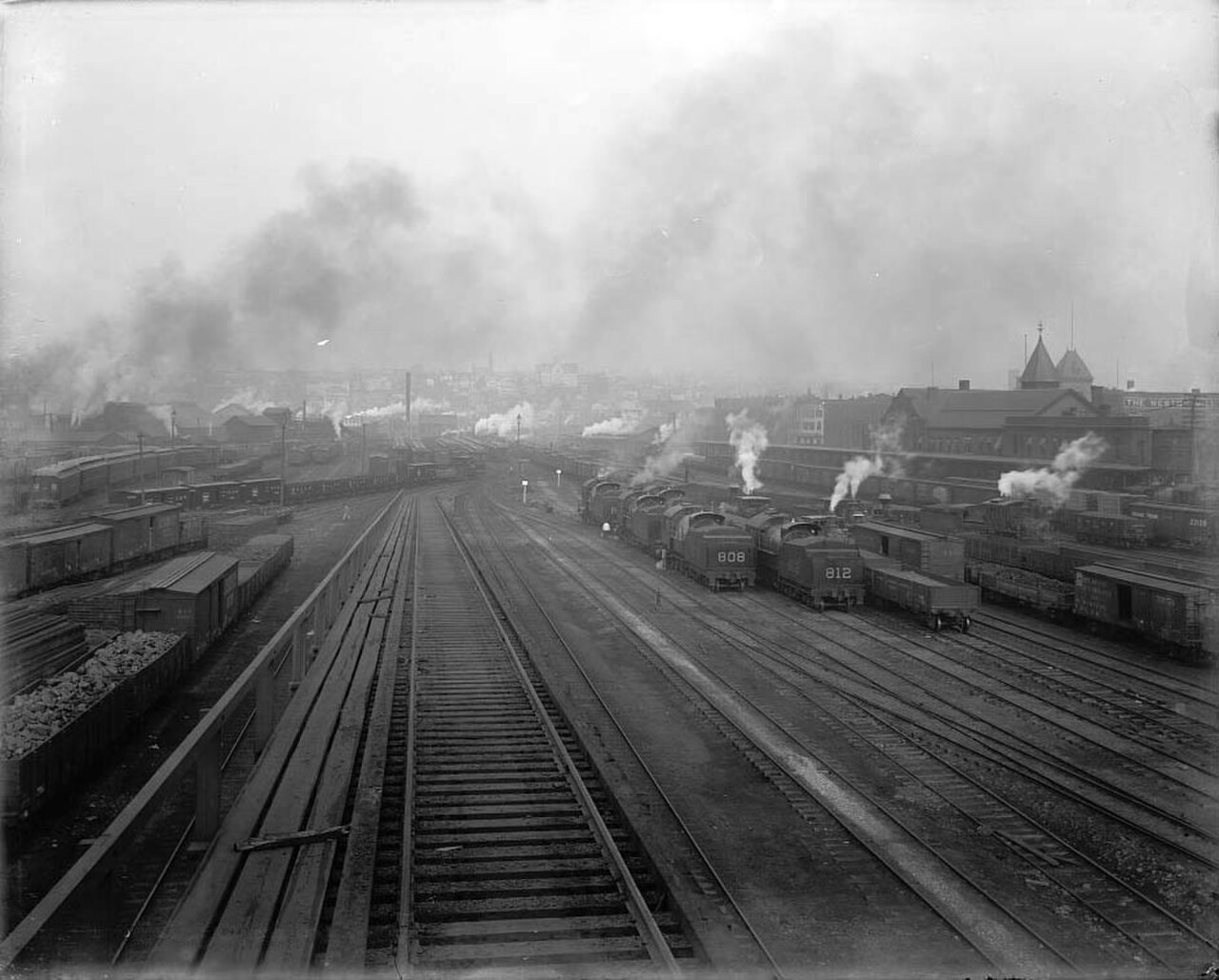
Pennsylvania has several famous regions, but only one is named for a rock. The anthracite fields of the northeast — the hard-coal measures running through Lackawanna, Luzerne, Schuylkill and neighboring counties — produced the fuel that heated the East Coast's homes and powered its industry for a century, and built a civilization on top of the seams.
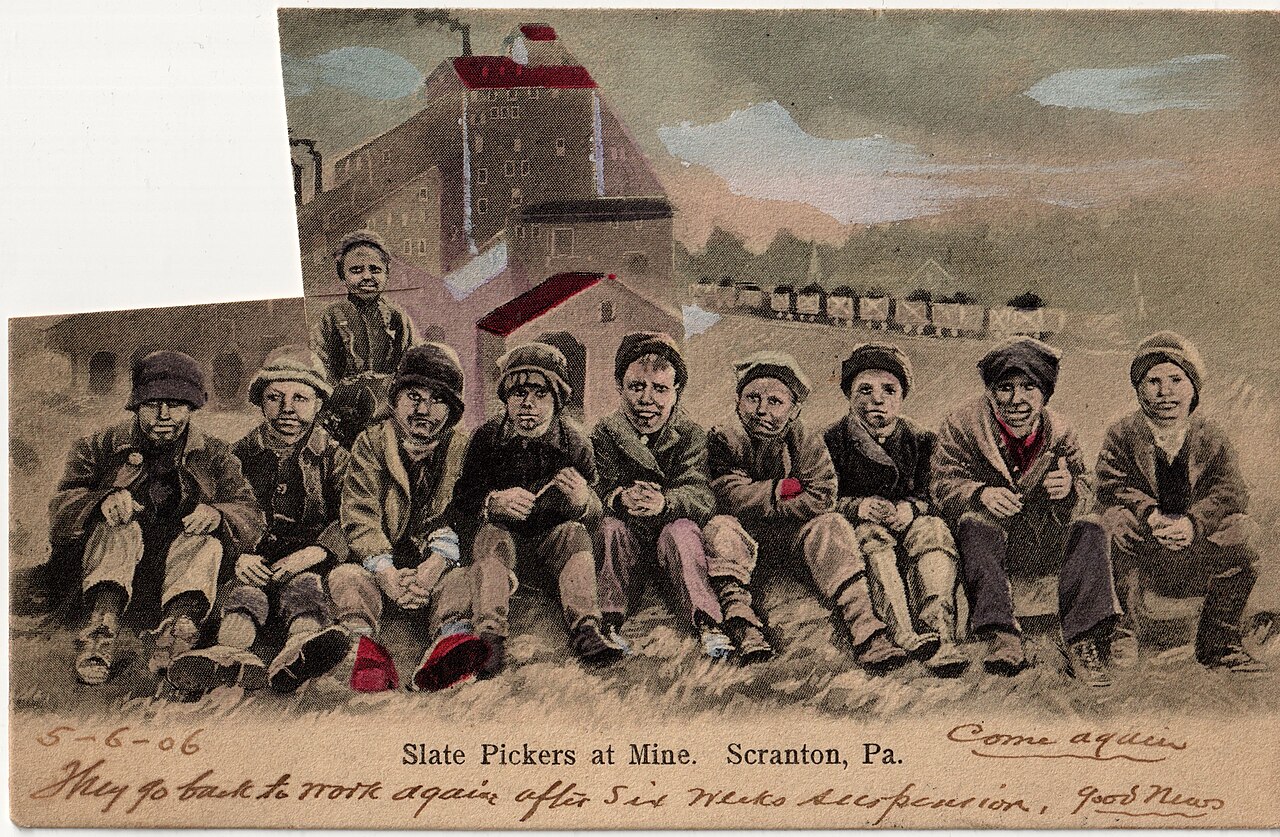
Scranton was that civilization's capital: the largest of the anthracite cities, seat of the industry that at its height employed generations of miners who were, in the early years, Welsh and Irish, and later Italian, Polish, Slovak and Lithuanian. The work was brutal — breaker boys sorted coal as children, as a well-known 1906 Scranton photograph shows — and it produced one of America's defining labor movements, from the 1877 general strike to the great anthracite strike of 1902, settled with President Theodore Roosevelt's intervention in negotiations tied to Scranton's courthouse.
The decline was as total as the boom. Oil and gas displaced anthracite after World War II, the Knox Mine disaster of 1959 flooded the interconnected workings, and the region's population slid for decades. What remains is the landscape and the inheritance: culm banks under reclamation, breakers mostly gone, company towns turned boroughs like Old Forge, Archbald and Dickson City, and a cultural identity — food, faith, dialect and memory — that still organizes life in the valley.
The commonwealth now markets the region's coal story as heritage, through the Lackawanna Heritage Valley and sites like the coal mine tour and the Anthracite Heritage Museum in Scranton. It is a fair framing: anthracite is the rare Pennsylvania industry whose history is not past tense, because the region it made is still living in the houses it built.
Understanding Pennsylvania means understanding that its northeast corner ran on coal the way Pittsburgh ran on steel — and that in Scranton, the evidence stands within walking distance of anywhere you stand.