Nay Aug Park and the Everhart Museum Are Scranton's Green Living Room
Scranton's largest park holds a gorge, a waterfall, a tree house trail and the Everhart Museum — the city's museum of nature, science and art since 1908.
Nay Aug Park is Scranton's largest park and its green living room — a landscape of woods and lawns on the city's east side built around the Nay Aug Gorge, where Roaring Brook cuts through rock it carved at the end of the last ice age. The park's name comes from a Native American term for the noisy brook, and on a wet week the gorge earns it.
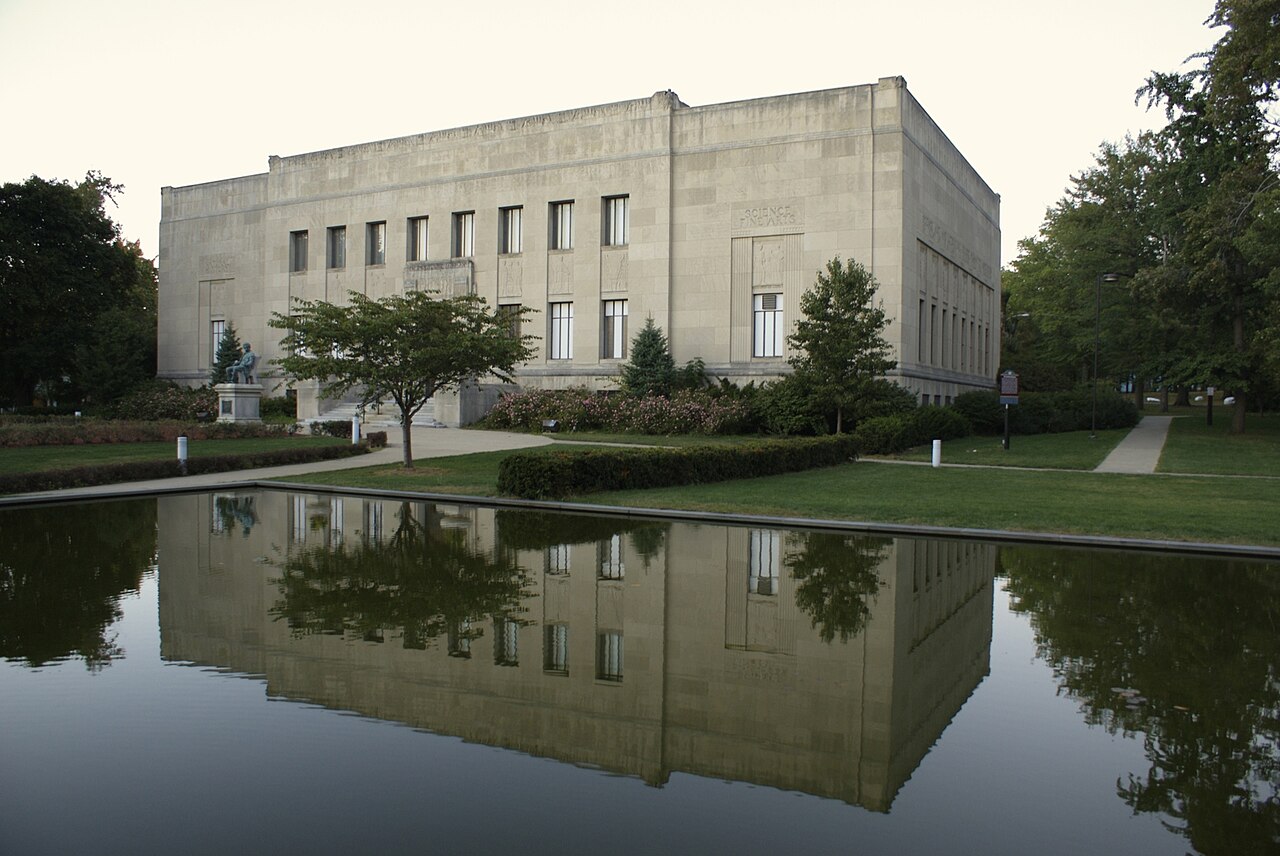
The park's anchor institution is the Everhart Museum, founded in 1908 by Dr. Isaiah Fawkes Everhart and still the region's museum of natural history, science and art. Its galleries mix the collections a Gilded Age physician-naturalist would recognize — birds, fossils, minerals — with American art and changing exhibitions, and Lake Everhart and the founder's statue sit on the grounds he gave the city.
Around the museum, the park layers recreation in the Scranton manner: the David Wenzel Tree House overlooking the gorge, opened in 2007 as an accessible viewpoint; trails and picnic grounds; the small Brooks Mine, a 1902 show mine in the park rehabilitated and reopened by volunteers in 2023; and in December, the drive-through Christmas light display that has become a local season marker.
Nay Aug also keeps the city's memory of reinvention. Its zoo closed decades ago, its pools were removed in recent years, and each change has been argued over by residents who treat the park as shared property in the deepest sense — which, in Scranton, is exactly what a park is for.
For a first visit, walk the gorge trail to the falls, cross to the museum, and finish at the tree house overlook. It is the most complete hour the Electric City offers outdoors.