The Lackawanna Coal Mine Tour Takes Visitors Back Underground
At McDade Park, visitors ride a mine car down the slope of the old Continental Coal Company mine — the most direct history lesson in Lackawanna County.
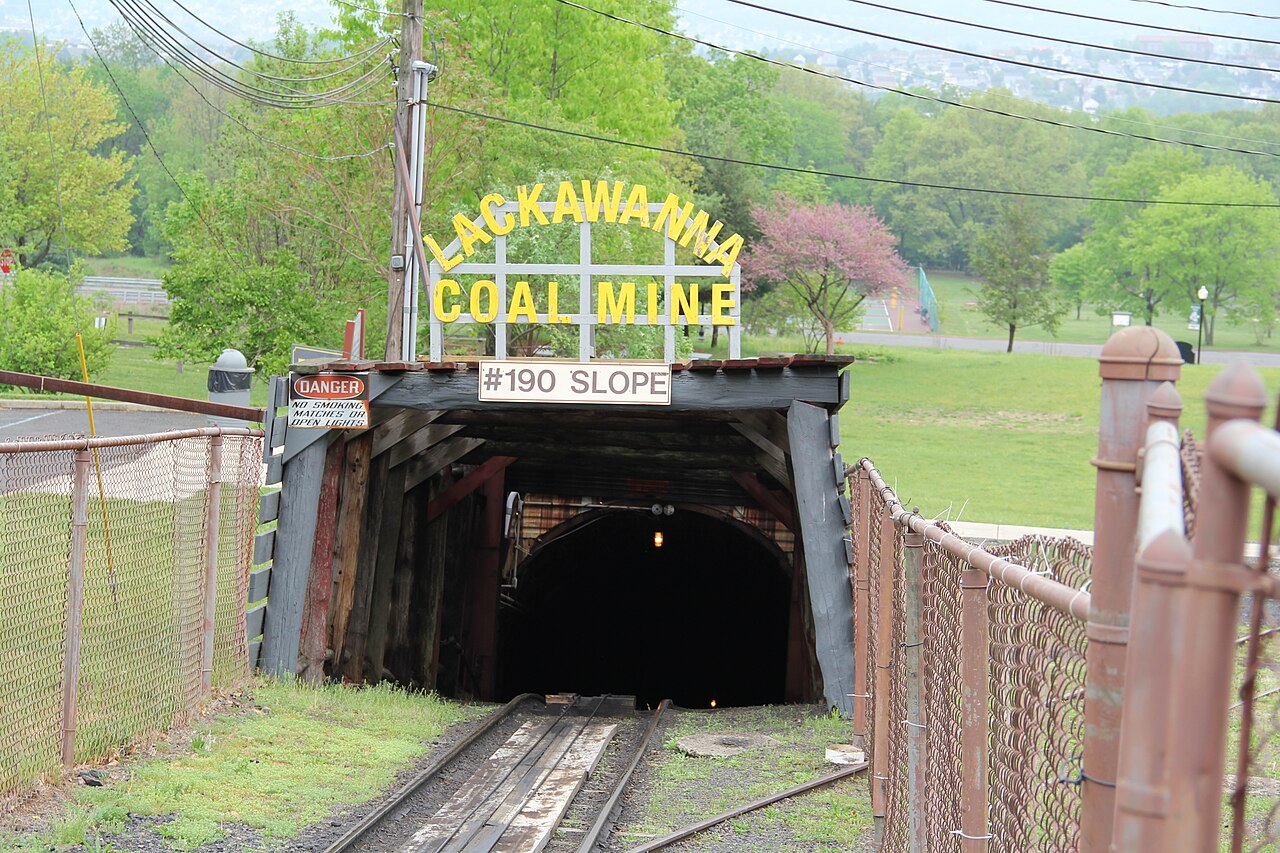
The tour starts with a descent. At the Lackawanna Coal Mine Tour in McDade Park, visitors board a mine car and ride down a slope into the former Continental Coal Company mine, hundreds of feet below the park, where guides — many with mining in their own family histories — explain how anthracite was actually taken from the ground.
Underground, the abstractions of coal country become physical: the pitch of the coal veins, the timbering, the breaker boys' world above ground where children as young as eight once sorted slate from coal in plants like the ones photographed across Scranton in the early 1900s. The tour covers the tools, the dangers and the economics of an industry that built Scranton, Dunmore, Dickson City and Old Forge alike.
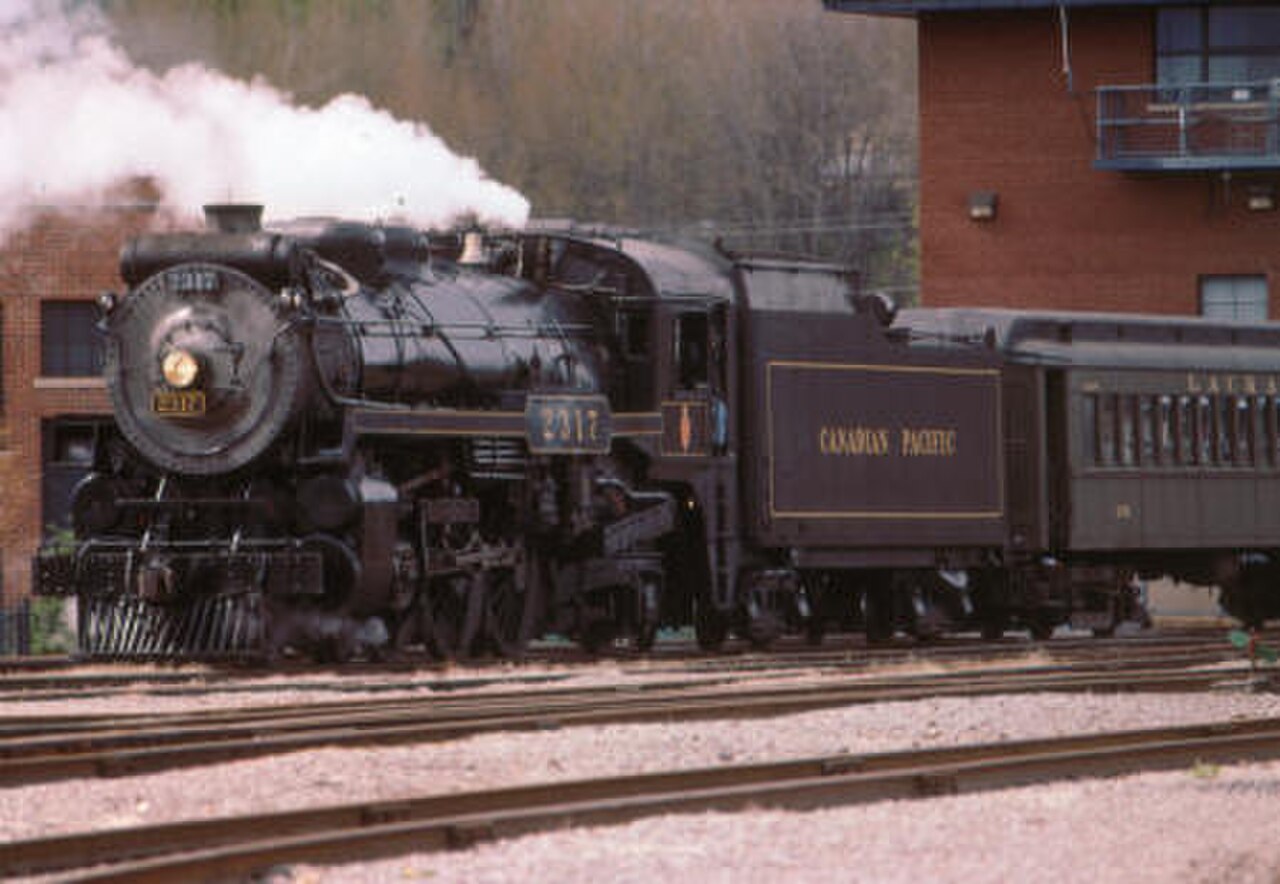
The context above ground is just as important. Anthracite made this valley: it drew the immigrants who filled Green Ridge and South Scranton, powered the railroads that Steamtown preserves, and left behind the culm dumps and subsidence risks that reclamation programs still manage. The 1959 Knox Mine disaster, when the Susquehanna River broke into the mines near Pittston, effectively ended deep mining in the region.
The mine tour runs seasonally, so November finds it between its regular calendar and special events — a good moment to plan a spring visit, when school groups from the Scranton School District and beyond make the descent as part of the region's standard education in itself.
No exhibit in Lackawanna County argues the region's story more efficiently: you go down in a mine car, in the dark, in the cold that never leaves the workings — and you come up understanding why everything on the surface is where it is.