Scranton's Universities and Libraries Share One Hill of Learning
The University of Scranton, Marywood University and the Lackawanna County Library System give the Electric City a learning infrastructure far bigger than its size.
Scranton educates above its weight. The University of Scranton, a Jesuit university founded in 1888 as St. Thomas College, anchors the Hill Section with several thousand students. Marywood University, founded by the Sisters of the Immaculate Heart of Mary, spreads across its campus on the city's north side toward Dunmore. Between them, with Johnson College, Lackawanna College and the Geisinger Commonwealth School of Medicine also in the city, Scranton holds a cluster of institutions that employ thousands and enroll students from across the Northeast.
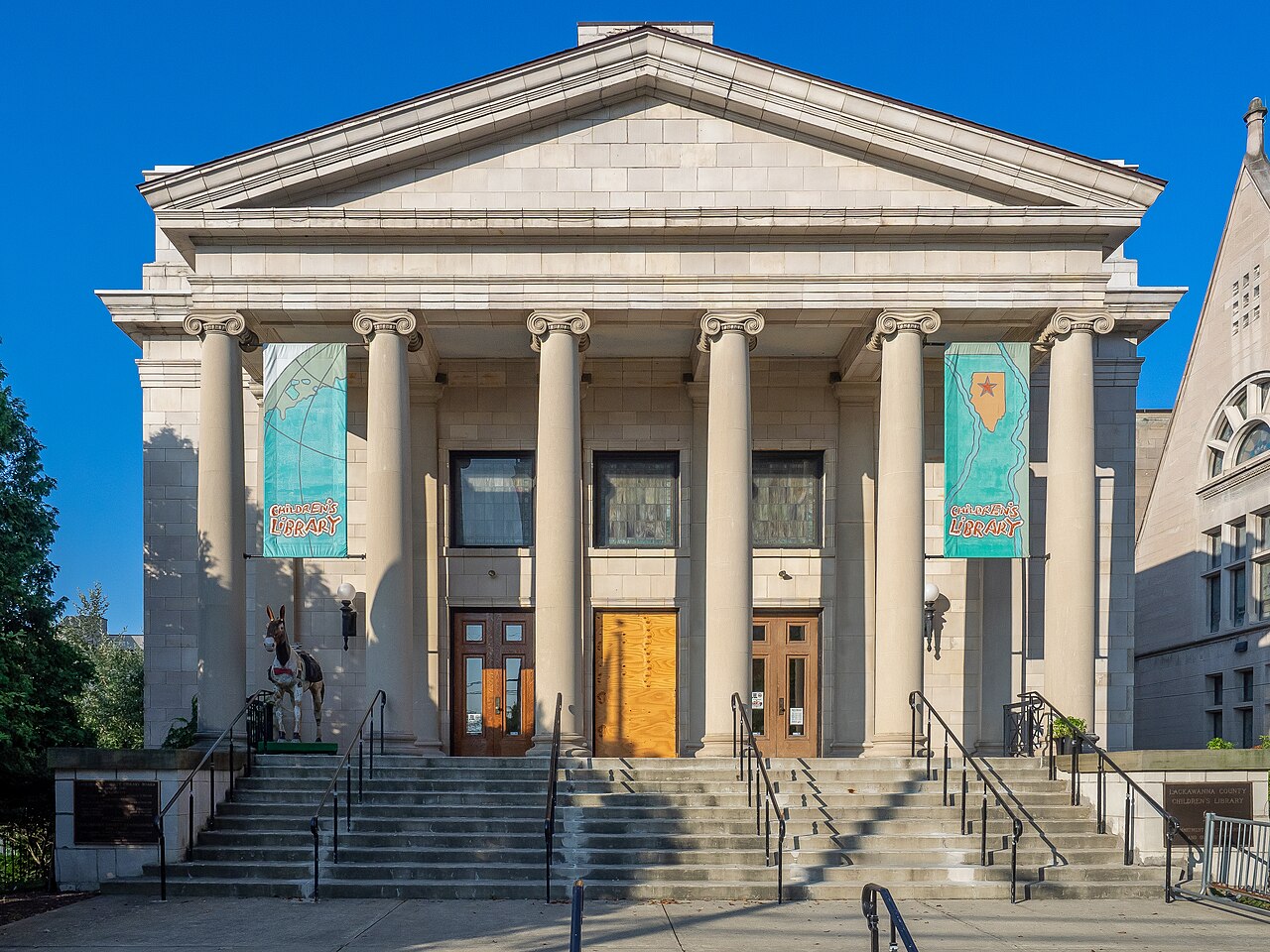
The public half of the system is just as old. The Lackawanna County Library System, centered on the Albright Memorial Library and including the Lackawanna County Children's Library in its historic downtown building, lends far beyond books — early-literacy programs, public computers, community rooms and the local-history collections that anchor the county's memory of itself.
For Scranton School District students, the ladder is visible from their own streets: a children's library card downtown, a public high school diploma, and two universities close enough to tour on a lunch break. The institutions also collaborate in the open — cross-registration between the universities, library partnerships with schools, and public lectures and performances that treat residents as part of the audience.
The effect compounds quietly. Universities stabilize neighborhoods, libraries hold them together, and a city that lost its founding industries a century ago keeps a knowledge economy running on the same hillsides — the Hill Section's name has simply acquired a second meaning.
The Scranton School District completes the picture from below: two public high schools, Scranton and West Scranton, feed the system from the neighborhoods, and the district's students are the daily users who connect the libraries' children's rooms to the universities' lecture halls over the course of a single education.