The Scranton Iron Furnaces Stand Where the City Started
Four massive stone blast furnaces near downtown are the surviving core of Lackawanna Iron and Coal — the works that turned a hollow into a city named Scranton.
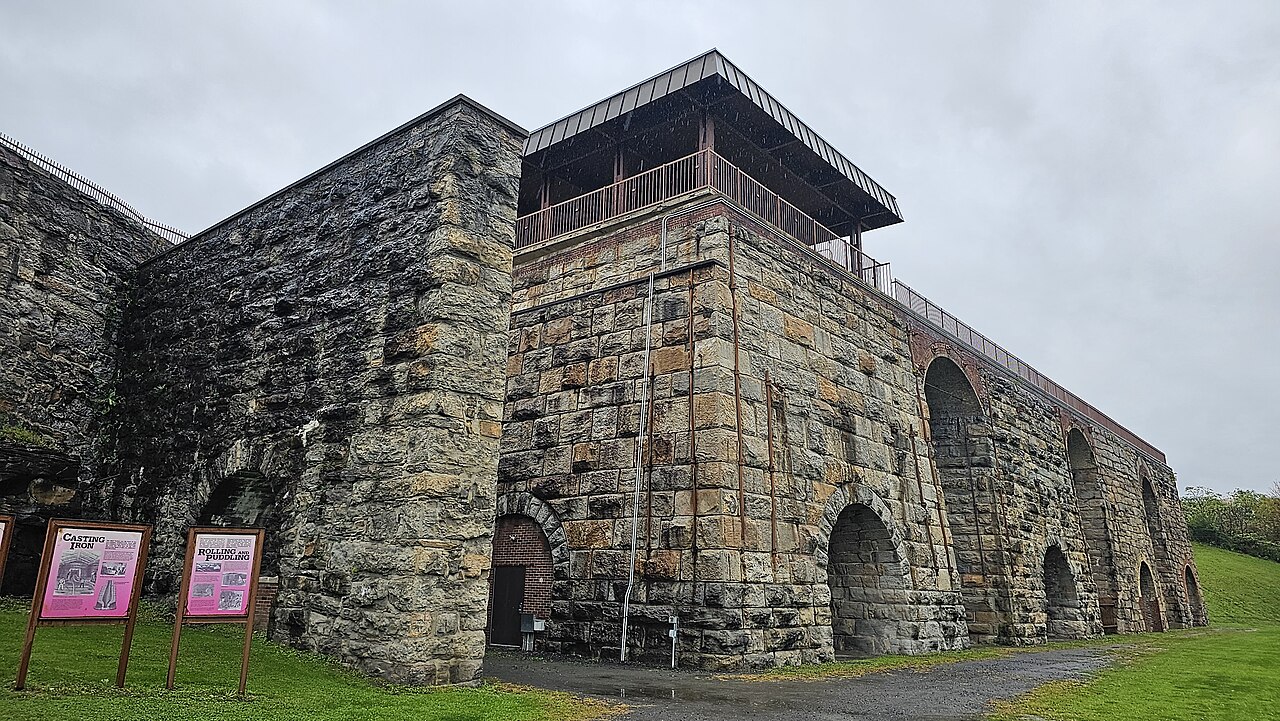
Before the coal barons and the railroads, there were furnaces. The Scranton Iron Furnaces, four great stone blast furnace stacks preserved as a state historic site just off Cedar Avenue near downtown, are the remains of the Lackawanna Iron and Coal Company works founded in the 1840s by the Scranton brothers and their partners — the enterprise that gave the city its name and its start.
The works began by making iron nails, failed at it, and pivoted to the product that built an industry: T-rails for America's expanding railroads, beginning with the Erie Railroad's delayed construction. By the late nineteenth century the Lackawanna works ranked among the largest iron and steel producers in the United States, and the city around the furnaces had grown past 100,000 people.
The furnaces explain Scranton's layout. The mills sat by the Lackawanna River and Roaring Brook for water and transport; the railroads — Lackawanna and Western, then the DL&W — were built to serve them; and the neighborhoods climbed the hillsides as the workforce arrived from Wales, Ireland, Germany, Italy and Eastern Europe.
The industry left in 1902, when the Lackawanna Steel Company moved to the Lake Erie shore near Buffalo, but the stacks stayed, weathered into the city's most literal monument: no plaque required, just four stone furnaces holding the shape of the fire that started everything.
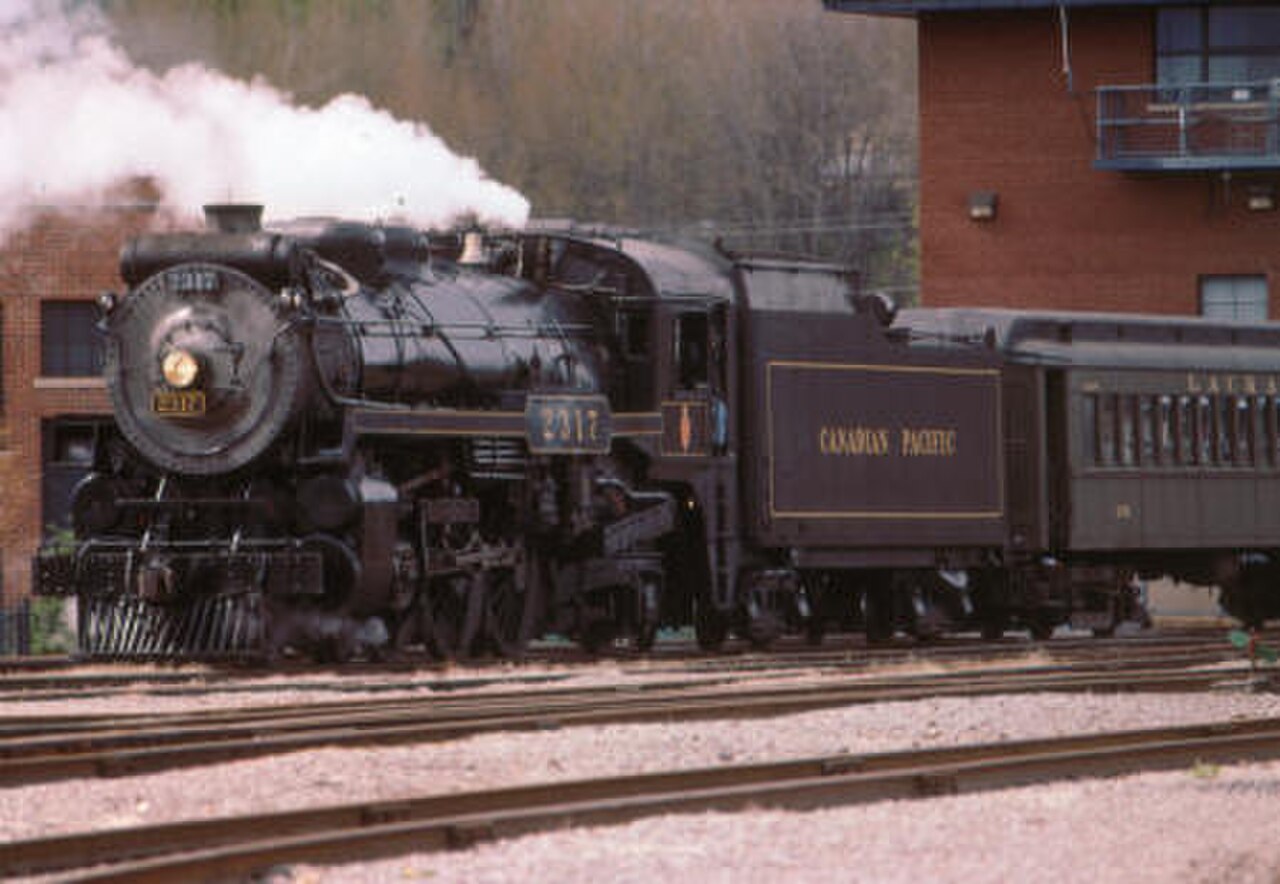
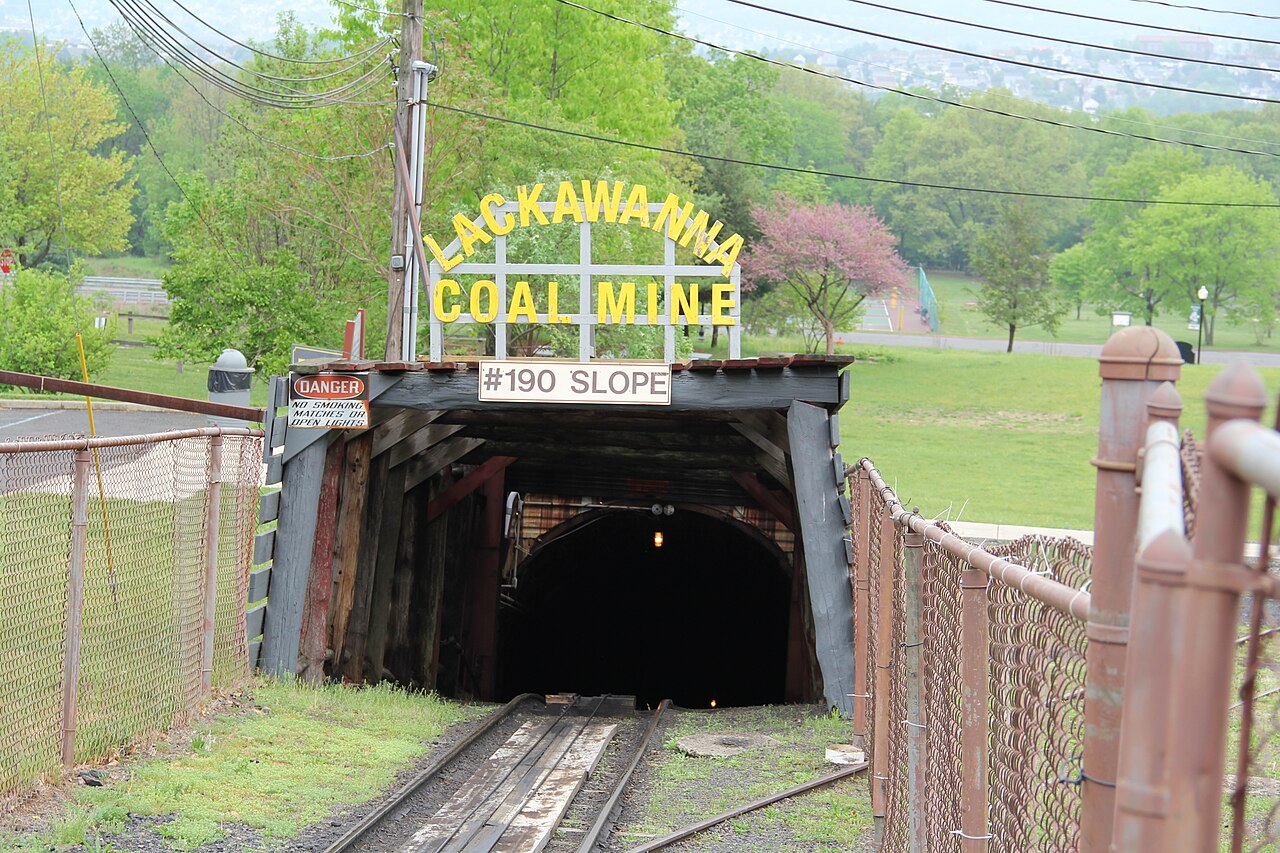
The site is open to walk, and pairs with Steamtown and the coal mine tour as the third point of the region's industrial triangle — iron here, coal at McDade Park, and the railroads in the yards between them.